Why ECD Matters
The first years of life are critical. By age five, a child’s brain is 90% developed (UNICEF & UNESCO, 2024). In South Africa, nearly 7 million children are under six, but 62% live in poverty and over half in early learning programmes are not on track for healthy development (Thrive by Five Index, 2024). These years shape how children learn, relate, and respond to stress and conflict.
The Link Between ECD and Violence
Violence and bullying don’t start in adolescence—they often begin in the early years. In 2025, South African schools reported 548 cases of bullying in just the first few weeks, and 74% of Grade 5 learners say they experience bullying almost monthly (Daily Maverick).
Globally, exposure to violence in early childhood is a strong predictor of becoming a victim or perpetrator of violence later on (Badger et al., 2024). Longitudinal studies show that violence can alter the developing brain’s structure and function, impacting language, cognition, and emotional regulation (CDC, 2025).
Meta-analyses confirm that positive parenting and nurturing care are associated with lower rates of bullying perpetration and victimisation, while harsh or uninvolved parenting increases the risk (Chu & Chen, 2025). Integrating ECD and violence prevention programmes in low- and middle-income countries has shown improvements in both child development and reductions in maltreatment outcomes (Efevbera et al., 2018).
A systematic review found that early intervention programmes for vulnerable children (ages 3–8) can promote prosocial behaviours, improve academic achievement, and decrease violence-related outcomes (Badger et al., 2024). Trauma-informed training for staff and teachers increases awareness and effectiveness of violence prevention in early years settings.
Prevention Starts Early: What Parents and Caregivers Can Do
Throughout daily life, parents can use emotion coaching to help children name their feelings: “Are you feeling angry because your toy broke?” Validating emotions— “It’s okay to feel sad. I’m here with you”—and teaching calming strategies like deep breathing build emotional intelligence and self-control.
Parents can foster problem-solving by guiding siblings through conflict: “Let’s find a solution together. What can we do, so everyone gets a turn?” Encouraging children to suggest ideas and praising their efforts to compromise teaches negotiation and empathy.
Consistency is key. Establishing routines—like a bedtime ritual of bath, story, cuddle, and sleep—helps children feel secure. Visual charts for daily routines, decorated together, give children a sense of ownership and predictability.
Children thrive on encouragement. Catch your child being good: “Thank you for sharing your crayons. That was kind.” Use specific praise: “I noticed you put your shoes away without being asked. Well done!” These moments reinforce positive behaviour and self-worth.
Setting clear limits is essential. State rules simply: “We use gentle hands. Hitting is not allowed.” Explain consequences calmly: “If you throw your food, you’ll need to help clean up.” When unsafe behaviour arises, redirect gently: “Let’s play with the blocks on the mat instead of climbing on the table.” Offer choices to empower children: “Would you like to read a book or draw a picture?”
Empathy and gender respect are learned through everyday interactions. After a conflict, ask, “How do you think your friend felt when you took the toy?” Encourage comforting others: “Your sister is sad. Can you help her feel better?” Remind children that kindness and respect are for everyone, regardless of gender.
Role-playing scenarios helps children prepare for challenges. Practice what to do if someone is mean: “Let’s pretend someone says something unkind. What could you say or do?” Teach assertive phrases: “Stop. I don’t like that.”
Family meetings create space for open dialogue. Discuss rules, routines, and feelings together. Let children share their ideas and concerns. Celebrate successes and plan for challenges as a team.
Safe spaces for expression matter. Create a “calm corner” with pillows and books for relaxation. Encourage your child to use the space when they need a break.
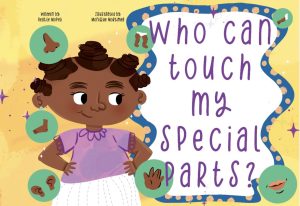
Early prevention of gender-based violence starts with teaching consent and boundaries: “You can say no if you don’t want a hug.” Discuss gender stereotypes openly and encourage children to challenge unfairness. Model and expect respect in all relationships—at home, school, and in the community.
The Role of ECD Centres and Policy
Only 52% of ECD practitioners in South Africa have a relevant qualification, and 34% of early learning programmes lack outdoor playgrounds (ECD Census, 2021). The National School Safety Framework and updated bullying manuals are steps forward, but real change depends on strong partnerships between families, educators, and communities.
Parenting Programmes: Impact
Integrated parenting programmes have reduced corporal punishment, improved parental mental health, and led to fewer behavioural problems in children (Efevbera et al., 2018). These interventions cost about R1,592 per child and R4,242 per family—an affordable investment in violence prevention (Parenting Programme Costing Report, 2021)
Conclusion & Call to Action
Violence prevention starts in the earliest years. Every moment of care, every lesson in respect, shapes a child’s future. Let’s commit to raising children who are kind, courageous, and fair—at home, in ECD centres, and across society.
Act!
Share these strategies. Join parenting programmes. Advocate for safe, inclusive ECD spaces. Support teachers and caregivers. Together, we can build a generation that rejects violence and embraces equity.
Erika Jooste: Education and gender Manager: Sesame Workshop International, South Africa